



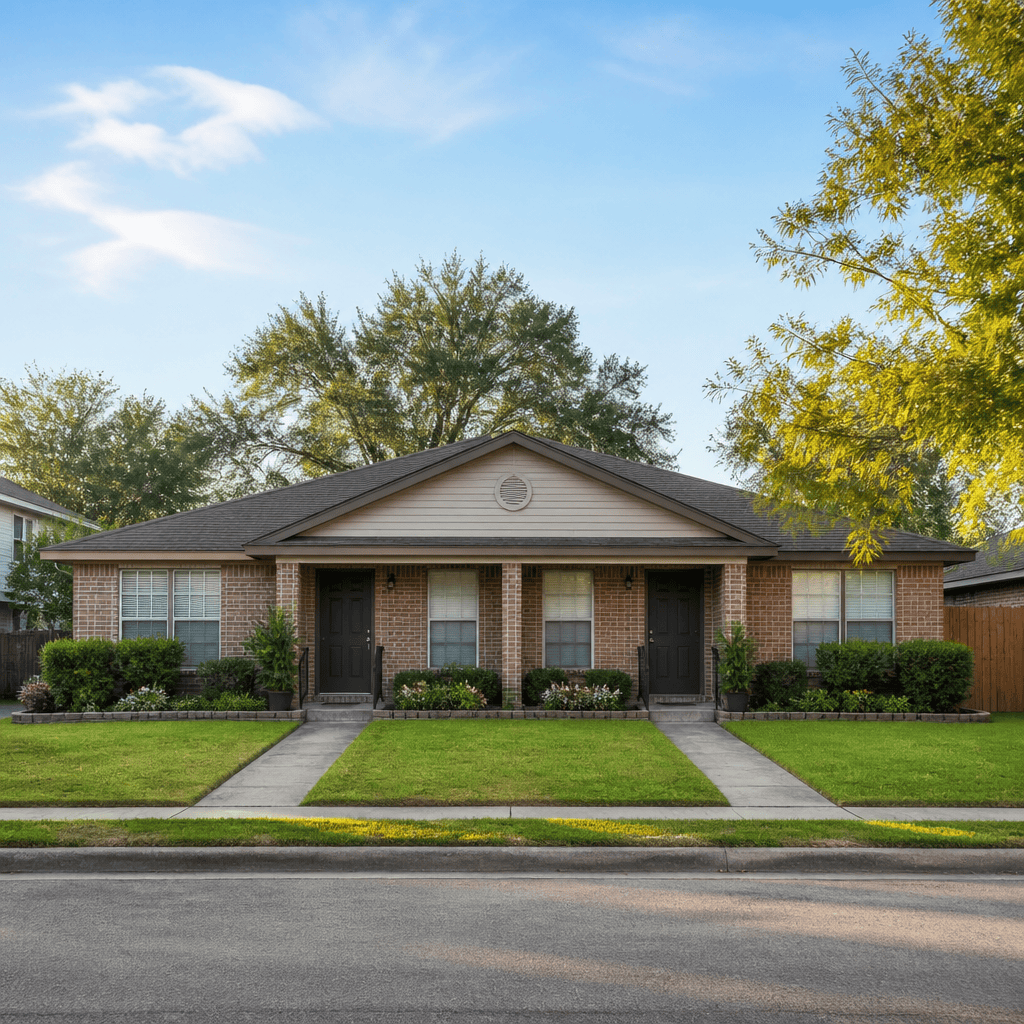
Buying a rental runs on different math than buying a home, and an investment property buyer’s agent earns their place by doing that math before you’re emotionally attached to a house. Houston attracts investors for good reasons — no state income tax, steady population growth, price bands where the numbers can still work — and it punishes the ones who underwrite it like the city they came from. Here’s what working with me on an investment purchase actually looks like.
The short version: in Texas, property taxes are the line item that makes or breaks a rental. An agent who models the full tax stack before you offer is worth more than one who just unlocks doors faster.
The Houston numbers an investor’s agent has to know
Texas trades income tax for property tax, and on a rental that trade lands on you: combined rates vary block by block, and a home in a newer suburb with a Municipal Utility District can carry a rate several notches above an older neighborhood two miles away — with no homestead exemption to soften it, because exemptions don’t apply to rentals. Insurance runs high in a hurricane state, and flood history changes by lot, not by ZIP code. So the underwriting I bring is street-level: realistic rent comps for that floor plan in that school zone, the true tax stack from the county rolls (more in how Texas property taxes hit your payment), insurance and flood reality, and days-on-market for the exit you’d someday need.
Where Houston deals actually pencil
The bands where my investor clients find workable numbers are mostly the same bands where first-time buyers shop — which means competition, and it means discipline matters. Well-bought rentals here tend to be unglamorous: solid floor plans in established Cy-Fair or Aldine-area neighborhoods, the occasional bank-owned or distressed purchase for investors set up to move quickly, and small multifamily where the per-door math beats the single-family alternative. What rarely pencils is the shiny listing everyone loves — if it makes a perfect first home, an owner-occupant will outbid your spreadsheet, and they should.
Financing is different — plan for it
Investment mortgages want more from you: typically 15–25% down, slightly higher rates, and reserves. Lenders will count a portion of projected rent toward qualifying, but they’ll want the numbers documented. Get an investment-specific pre-approval letter before we look at anything, because well-priced rental candidates in Houston don’t wait — and neither do the other three investors watching the same search.
How the agent side works on an investment purchase
Same rules as any purchase since 2024: a written buyer representation agreement before we tour, my compensation negotiated up front in that agreement, and in many transactions the seller still contributes toward it. What’s different is the job. On an investment deal I’m your second underwriter — the person who tells you the rent comp doesn’t support the pro forma, that the “cash-flowing” listing is quoting last year’s tax bill before the MUD rate, or that the foundation repair changes your basis by more than the discount. I’ve been a Texas real estate broker since 1989, and the investors I keep for decades are the ones whose worst deals I talked them out of.
Ready to run the numbers on Houston?
Whether it’s your first rental or your fifteenth door, start with a conversation about what you’re underwriting for — cash flow, appreciation, or a blend — and I’ll show you where in the metro that actually exists right now. Call or text (281) 500-7077, or see how I work with buyers on the buying page. No pressure, no obligation.
Last updated: August 2026 · Rates, terms, and tax figures vary by property and lender; this is general information, not financial advice.
