



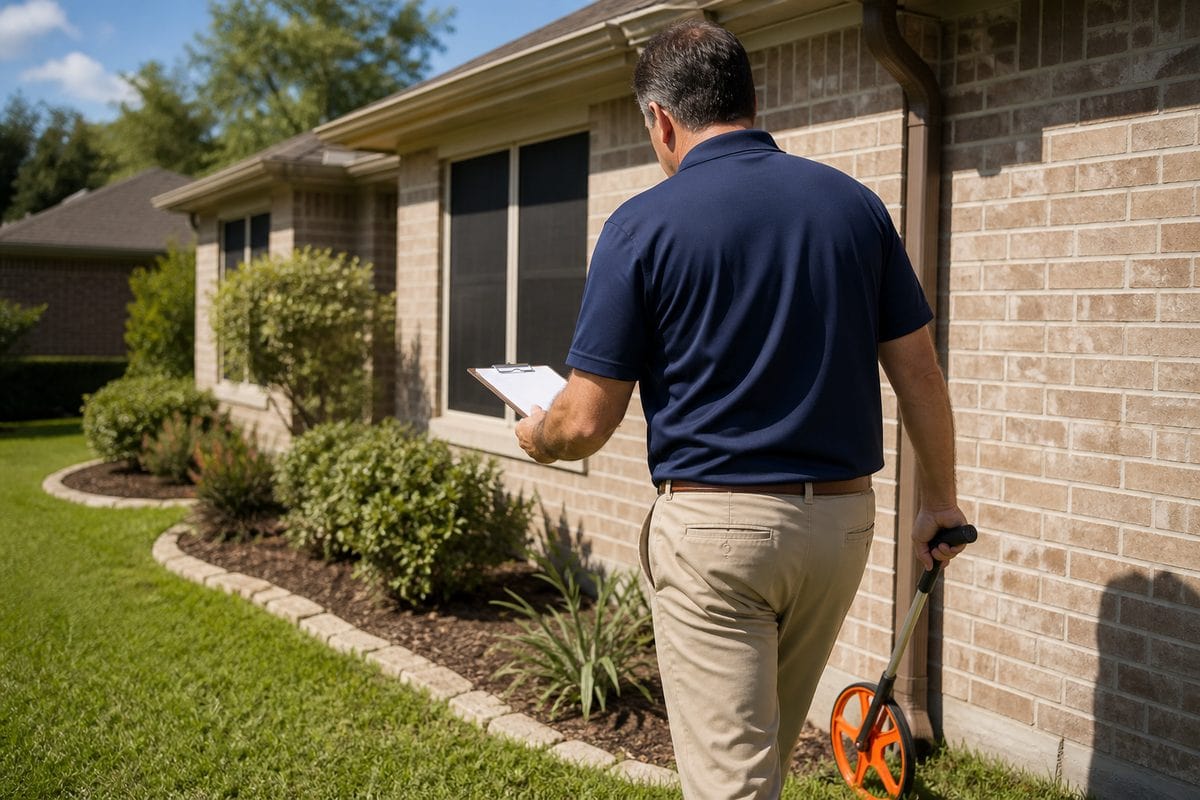
A good home appraisal checklist starts with what the appraiser is actually there to judge: recent comparable sales, the condition and quality of your home, and whether the property meets the lender’s minimum standards. That puts the two weeks before the appointment into getting every system working, documenting every improvement with dates and costs, and fixing the specific items lender guidelines flag. Staging and fresh flowers can wait for the listing photos.
This guide is for the Houston-area seller who is under contract and just got the appraisal appointment from the buyer’s lender, and for the homeowner refinancing who is about to open the door to an appraiser for the same reasons. The order below is the order I’d do the work in, and each item comes with the reason it matters to the number.
The short version: repairs that change a condition rating or trip a lender requirement come first, two weeks out. The paper trail (improvement list, permits, survey, warranties) comes together the week before. The day before is about access and making sure everything runs. On the day itself, the real estate listing agent hands over one organized folder, and nobody talks about a target number.
What the appraiser is actually looking at
The value starts with comparable sales: recently closed homes like yours, near yours. The appraiser chooses them, but the comparables your real estate listing agent used to set the price are fair to share, and I’ve explained how real estate agents price homes in Houston from those same closed sales. (If you’re still at the stage of wondering what the house is worth at all, start with why a CMA beats a Zestimate.)
Next come the home’s condition and quality ratings. Fannie Mae’s appraisal standards grade condition on a six-step scale, from C1 for new construction to C6 for severe damage, with a matching Q1–Q6 scale for construction quality; the official condition and quality rating definitions are short and worth a read. For a typical resale home, the line that matters is between C3 (well maintained, limited wear) and C4 (some minor deferred maintenance). That line is where a seller’s preparation shows up in the report.
Then there are the lender’s minimum requirements. Fannie Mae’s Selling Guide says a home rated C6 has to be appraised subject to repairs that bring it to at least C5. FHA and VA loans go further, with minimum property requirements covering safety, soundness and working systems. When an item fails those standards, the appraisal comes back “subject to” a repair or an inspection, and that means a delay while the repair gets done and someone confirms it. For the full walk-through of what the appraiser is required to inspect, record, and decide, including how FHA, VA, and refinance appraisals differ, see my post on what appraisers look for.
The report itself is changing this fall. Fannie Mae and Freddie Mac’s redesigned appraisal report (UAD 3.6) has been available to lenders since January 26, 2026, and it becomes mandatory for new appraisals on loans sold to them on November 2, 2026. The C and Q scales are unchanged, but interior and exterior condition are now rated separately, and each defect the appraiser notes gets its own entry: the feature, where it is, whether it affects soundness or structural integrity, and the recommended action. A dripping relief valve or a soft spot in the fascia can now appear as its own line.
Cleanliness, by itself, is not one of those inputs. A spotless house earns no rating points, though clutter that hides the floors, blocks the attic hatch or crowds the water heater makes the appraiser’s job harder and can hide the very condition you want credit for.
Your home appraisal checklist, from two weeks out to the day of
Here is how to prepare for a home appraisal in the order the work needs to happen, which is the practical answer to what to do before an appraisal. Give yourself two weeks if you can, because repairs need a contractor’s calendar and the paperwork takes longer to gather than people expect.
Two weeks out: repairs that change a rating or trip a lender standard
- Peeling or chipping paint on a pre-1978 home: FHA requires defective paint on homes built before 1978 to be repaired and VA presumes lead-based paint in them, so have it handled before the visit by a contractor certified for lead-safe work.
- Roof leaks and worn roofing: HUD’s FHA handbook (4000.1) requires a roof that keeps moisture out and has at least two years of remaining life, and a fresh ceiling stain is what prompts an appraiser to call for a roofer’s inspection.
- Water heater: make sure it heats and has a temperature-and-pressure relief valve with a discharge pipe, which the FHA standards name specifically.
- Heating, cooling, plumbing and electrical: an FHA appraiser operates these systems and they have to be safe to operate, so book a service call now for anything that isn’t running right.
- Exposed wiring and dead outlets: replace missing cover plates, test and reset the GFCI outlets, and cap any loose wires in the garage, since visible frayed or exposed wiring is a listed deficiency.
- Handrails and cracked glass: both are usually treated as cosmetic under HUD and Fannie Mae guidelines, yet a loose rail on an open stair can become a safety call, and both are inexpensive to fix before the visit.
- Wood rot and termite evidence: evidence of wood-destroying insects makes an FHA appraisal subject to a pest inspection, so repair the rotted trim and keep the treatment paperwork.
- Active water: check under sinks, around the water heater, at the base of the tub and in the attic, because a damp stain reads as deferred maintenance until someone proves otherwise.
One week out: the paper trail
- A one-page improvement list: each update with the month and year it was done and what it cost (roof, HVAC, windows, flooring, kitchen), because an appraiser can’t credit what nobody tells them about.
- Permits and final inspections: copies for any addition, enclosed patio, converted garage or major remodel.
- Your survey: it shows the lot lines, the improvements and any easements on one page.
- Warranties: foundation repair, roof and HVAC, with a note on whether each one transfers to the buyer.
- HOA and MUD details: the association name and dues, the utility district, and the amenities that come with the neighborhood.
- Repair receipts from the buyer’s inspection: if you fixed items during the option period, include the invoices so the work is documented.
The day before: access and operation
- Utilities on: a vacant house with the water or power shut off can’t be tested, and an appraisal that can’t confirm the systems is typically made subject to a re-inspection, which means a second trip and a later closing.
- Every system running: set the thermostat, make sure the water heater is on, and replace dead bulbs so a burned-out bulb isn’t mistaken for a wiring problem.
- Clear access: the attic hatch, garage, water heater closet, electrical panel, and pool equipment all need a clear path.
- Pets and gates: arrange for the dog to be out, leave gate codes with your real estate listing agent, and unlock the side gates and storage sheds.
The day of: who’s there and what gets said
- Who should be there: usually your real estate listing agent meets the appraiser, and many sellers simply step out for the hour.
- What gets handed over: one folder with the improvement list, permits, survey, warranties, and the comparable sales used to price the home.
- What nobody says: no target number, no mention of what the deal needs, and no commentary that sounds like pressure.
That last point rests on federal rules. The valuation-independence rule in Regulation Z, 12 CFR §1026.42 bars lenders, real estate agents and the other professionals in a transaction from influencing an appraiser’s value through coercion, inducement or intimidation, and Fannie Mae’s appraiser independence requirements say no one may try to influence the result. The same Regulation Z rule expressly allows asking the appraiser to consider additional, appropriate property information, including information about comparable sales. The folder is exactly the kind of information that rule allows, and it’s the right standard for everyone at the table.
How to prepare for a home appraisal for a refinance
If you’re refinancing, the home appraisal checklist above applies unchanged, and so do the rules. The difference is that there’s no real estate listing agent at the door, so the folder is yours to hand over: the improvement list with dates and costs, permits, your survey and any warranties. Your lender ordered the appraisal and the appraiser reports to the lender, so share facts and documents, answer questions about the work you’ve done, and leave the value to the report.
Houston items a national home appraisal checklist misses
Foundation movement
Our expansive clay soils shrink in a dry summer and swell after heavy rain, so foundation repair is common in older Houston-area neighborhoods. If there has been a repair, the paperwork lets the appraiser report it as completed work with a warranty behind it. Put the repair contract, the warranty (and whether it transfers), and any structural engineer’s letter in the folder.
Roof age and insurability
An older roof can make the buyer’s homeowners insurance harder to place, and insurability is part of the lender’s property approval under the financing addendum, alongside the appraisal itself. If the roof is near the end of its life, find out two weeks out, while there’s still time to get a roofer’s opinion and plan for the conversation with the buyer’s side.
Flood history and drainage
Whatever the appraiser sees should match what you disclosed. If your Texas Seller’s Disclosure says the home never took water, there shouldn’t be a fresh waterline on the garage drywall. If it did flood, have the repair documentation ready. My guide to Houston’s flood disclosure questions walks through each one. Look up your FEMA flood zone, add an elevation certificate if you have one, and clean the gutters so the downspouts drain away from the slab.
Pool equipment
In the Cypress and Katy subdivisions where pools are common, expect the appraiser to notice whether the pump, filter and heater run and whether the water is clear. A green pool reads as deferred maintenance, however good the rest of the house looks.
Square footage that counts
Since April 1, 2022, Fannie Mae has required appraisers to measure homes using the ANSI Z765-2021 standard, and finished space that can only be reached through unfinished space is reported separately from the main living area. An enclosed patio or converted garage that doesn’t meet the standard’s definition of finished space, or that you reach through the garage, may not count as living area at all. Permits matter too, and the rules depend on where you live. The City of Houston and the City of Katy require permits for remodels and conversions, while much of Cypress sits in unincorporated Harris County, where county permits center on new structures, garages, fill and floodplain work. Wherever the home is, Fannie Mae’s guidelines ask the appraiser to comment on the quality of an unpermitted addition and its effect on value, so bring whatever documentation you have.
MUD and HOA documents
Appraisers compare homes across subdivision and district lines that Houston buyers price differently. A home in a MUD with a higher tax rate can sell for less than a near-twin next door in a lower-rate district, so the comparable sales should come from your side of that line. Having the utility district and HOA information handy keeps the comparison grounded in your actual neighborhood.
What won’t move the number as much as you think
Fresh flowers, scented candles and a tray of cookies make a house pleasant to walk through, and none of them appear anywhere in an appraisal report. Think of it in dollars: a $3,000 repair to a leaking roof valley can change a condition rating and remove a lender condition, while $3,000 of rented staging furniture changes neither.
The same goes for an $8,000 landscaping project finished the week before the appointment. Curb appeal helps a listing attract buyers. An appraiser credits landscaping to the extent the comparable sales show buyers paying for it, which rarely works out dollar for dollar. A renovation done without permits can earn less credit than its cost, for the reasons above.
The last item is “comps” a seller finds on their own. A sale across the freeway, in another school zone, or in a different MUD with a different tax rate is a different product to a Houston buyer, and the appraiser will treat it that way. The street-level discipline behind choosing comparables is laid out in my post on how a Houston list price gets built. Every dollar you spend before closing also comes out of what you keep, so look at the full cost of selling a Houston home before you start hiring contractors.
How I prepare my sellers for the appraisal
Preparation starts with a walk-through about two weeks before the appraisal, using this home appraisal checklist. We go room by room for anything that could lower a condition rating or trip a lender requirement, and I tell you which repairs are worth doing now and which can wait. The week before, I put together the folder: your improvement list with dates and costs, the permits, the survey, the warranties, and the comparable sales I used to price the home. On the day, I meet the appraiser, hand it over, open whatever needs opening, and stay out of the way.
I’m also a Texas Certified Residential Appraiser, which is why this checklist follows the categories the appraisal report itself uses. My appraisal work is for lenders, and I don’t appraise any home I’m involved with as a real estate broker or real estate agent.
Whoever you hire, you can judge their appraisal preparation with a few questions. Who meets the appraiser? What goes in the folder? Which comparables did you use to price the home, and would an appraiser likely choose the same ones? What happens if the value comes in under the contract price? A capable real estate agent answers all four specifically, and my guide on how to choose a real estate agent covers the rest of that conversation. One seller described the preparation this way in a Google review: “He walked us through every step of getting the home fully prepared, made sure everything was in top shape before listing.” (Leena S.) You can see the full process on my page about how I work with Houston sellers.
If the appraisal comes in low: under the Third Party Financing Addendum that goes with a financed purchase (TREC 40-11, Paragraph 2B), if the buyer’s lender decides the property doesn’t meet its requirements, including the appraisal, the buyer can terminate on or before the third day before closing by giving notice with the lender’s written statement, and the earnest money goes back to the buyer. The one exception is the appraised-value part of that right: on a loan that isn’t FHA or VA, the buyer may have waived or limited it in TREC’s appraisal addendum (49-1). I’ve explained how that works in my post on the financing contingency. From there, the usual path is a renegotiated price or terms, or the buyer bringing extra cash to make up some of the gap. The best protection is a list price built from closed sales rather than a number quoted to win the listing, and a full seller’s guide to that negotiation is coming to this blog.
Home appraisal questions, answered
Does a clean house appraise higher?
Not directly, because cleanliness isn’t one of the appraiser’s ratings. A clean, uncluttered house does let the appraiser see the condition you’ve worked to maintain and reach the attic, panel and water heater without trouble. Spend your time on working systems and documented improvements, and tidy up so none of it is hidden.
What hurts a home appraisal the most?
A contract price the closed sales can’t support is the biggest one, and it’s set long before the appraiser arrives. After that come deferred maintenance that pulls the condition rating down, safety items that make the appraisal subject to repairs, square footage that doesn’t count as living area, and flood or repair history that doesn’t match your disclosure.
Should I be home during the appraisal?
You don’t need to be. Your real estate listing agent can meet the appraiser, provide access, and hand over the documents, and many sellers prefer to step out for the hour. If you do stay, answer questions about the work you’ve done and let the appraiser work without company.
What documents should I give the appraiser?
A one-page list of improvements with dates and costs, permits and final inspections for any additions or conversions, your survey, warranties for foundation, roof and HVAC work, HOA and utility district details, and the comparable sales your real estate listing agent used to price the home. Federal valuation rules allow sharing factual property information like this, so keep the folder to facts and documents.
How long does a home appraisal take in Houston?
It varies with the home, the lender and the season. A large or unusual property takes longer to inspect and document, and the timing of the written report depends on the lender and the appraisal management company it uses. Your contract’s financing deadlines are what to watch, so ask your real estate agent where the appraisal stands as those dates approach.
What happens if the appraisal comes in below the contract price?
Under the Third Party Financing Addendum (TREC 40-11, Paragraph 2B), a buyer whose lender won’t approve the property can terminate up to the third day before closing with the lender’s written statement and receive the earnest money back. On a loan that isn’t FHA or VA, the buyer may have waived or limited the appraised-value part of that right in TREC’s appraisal addendum (49-1). More often, the buyer and seller rework the price or terms, or the buyer brings extra cash to close some of the shortfall. My post on how the financing contingency works explains the contract side.
Want a second set of eyes before the appraiser arrives?
Selling a home in the Houston area, from Cypress to Katy? I can walk through it with you before the appraisal or before you list, point out what’s worth fixing, and help you put the folder together using this home appraisal checklist. There’s no pressure and no obligation.
Schedule a Consultation
Call or Text (281) 500-7077
Kevan Pewitt · REALTOR® & Broker · Houston Prime Realty
Last updated: October 2026 · Lender standards summarized from Fannie Mae’s Selling Guide and UAD 3.6 materials, HUD Handbook 4000.1 (August 2026 update) and VA Pamphlet 26-7, Chapter 12, as of October 2026. General information, not legal or lending advice.
More on this topic: selling a home in Houston →
